One of the most common questions we get from Scottsdale homeowners especially after a rough monsoon season or a surprise inspection finding is simple: how long should my roof actually last? The honest answer is that it depends heavily on what material your roof is made of and how well it’s been maintained. In Scottsdale’s climate, both of those variables matter more than they do almost anywhere else in the country.
Quick answer: In Scottsdale AZ, a concrete or clay tile roof lasts 40–50+ years, metal roofing lasts 40–70 years, and asphalt shingle lasts 15–20 years significantly shorter than the national average due to Arizona’s intense UV exposure and thermal cycling. Full material-by-material breakdown below.
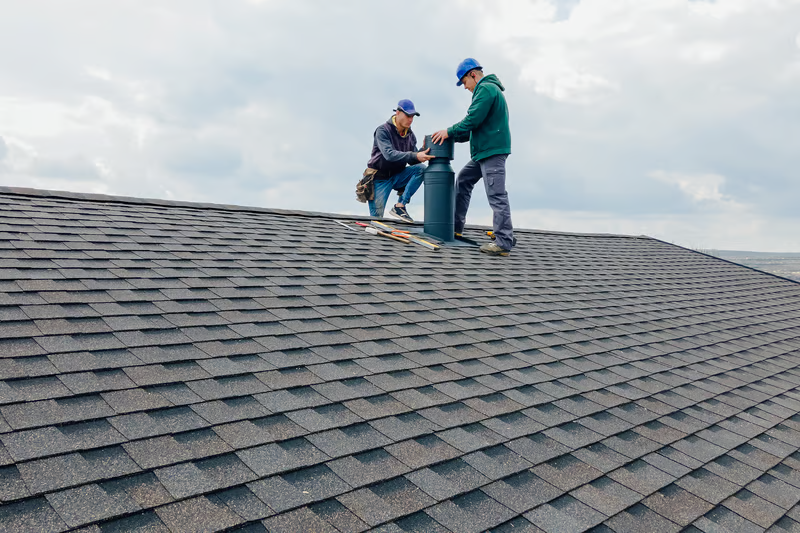
Roof Lifespan by Material in Scottsdale AZ
Every roof installation scottsdale contractors complete should come with a clear conversation about realistic lifespan expectations in our climate not national averages from manufacturer spec sheets. Here’s what homeowners across Scottsdale, Tempe, Chandler, and the broader East Valley actually experience:
Concrete Tile
Expected lifespan in Scottsdale: 40–50 years
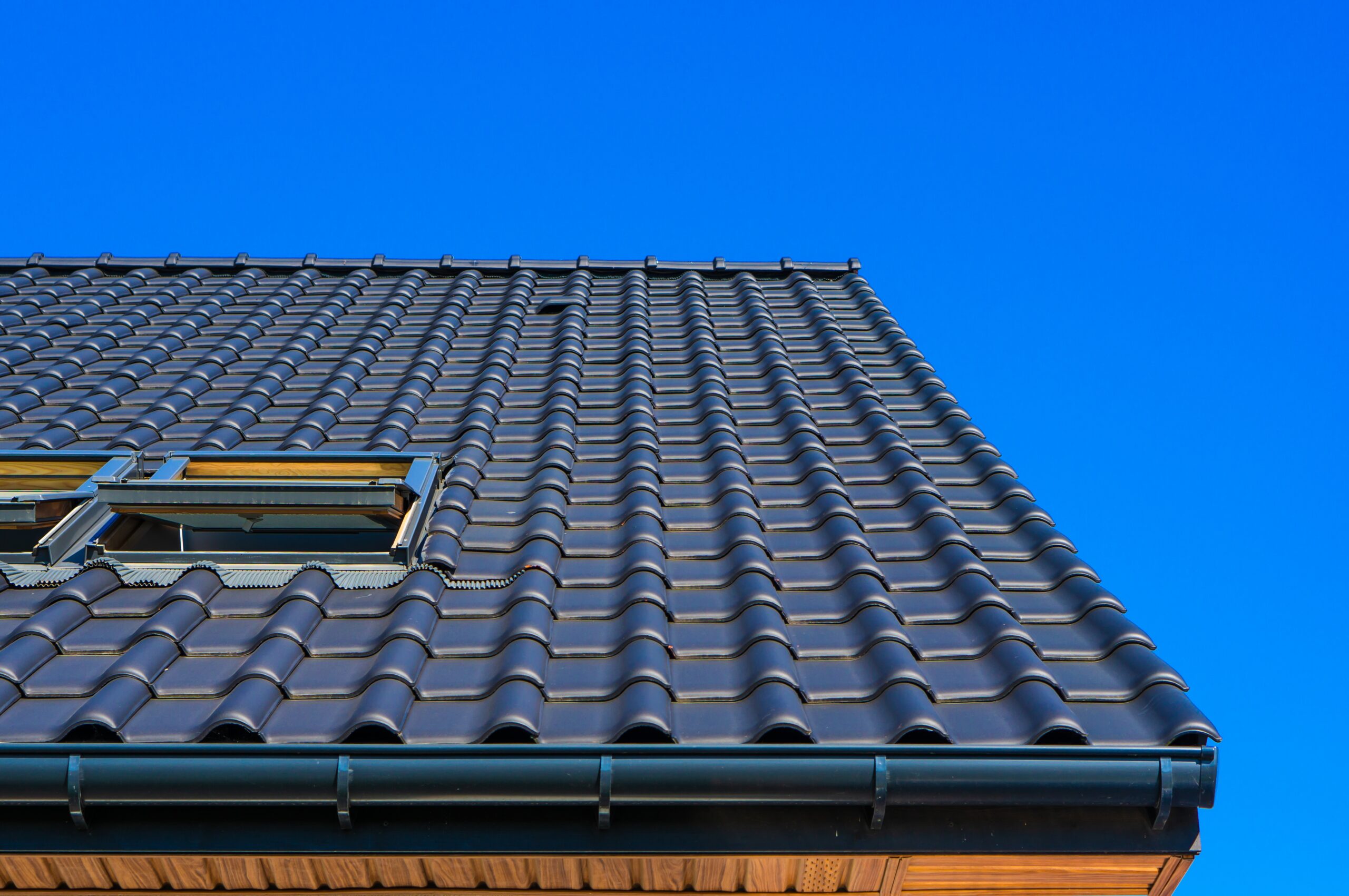
Concrete tile is the dominant roofing material in Scottsdale and most of the Phoenix metro for a reason it was built for this climate. It handles extreme heat, UV, and monsoon wind loads better than any competing residential material. The tile itself rarely fails; the underlayment beneath it is almost always what gives out first in our desert environment.
What this means practically: a concrete tile roof that’s 30–35 years old may have perfectly intact tiles sitting on degraded underlayment. The visual inspection from the street tells you nothing. A proper assessment from a licensed roofer who pulls tiles in multiple areas to inspect the underlayment directly is the only way to know where you actually stand.
Maintenance that extends lifespan: Annual inspection, re-pointing cracked or displaced tiles promptly, ridge cap resealing every 8–10 years, and underlayment re-evaluation at the 20–25 year mark.
Clay Tile
Expected lifespan in Scottsdale: 50+ years
Clay tile outperforms concrete on lifespan in Arizona’s climate it’s denser, handles UV better, and has centuries of proven performance in desert climates worldwide. It’s heavier and more expensive than concrete tile, but on a per-year cost basis it often beats every other roofing material available.
Older Scottsdale neighborhoods particularly around Old Town, the McCormick Ranch area, and Paradise Valley luxury properties frequently have original clay tile roofs from the 1970s and 1980s that are still structurally sound with proper underlayment maintenance. That’s real-world performance data, not spec sheet projections.
Metal Roofing — Standing Seam
Expected lifespan in Scottsdale: 40–70 years
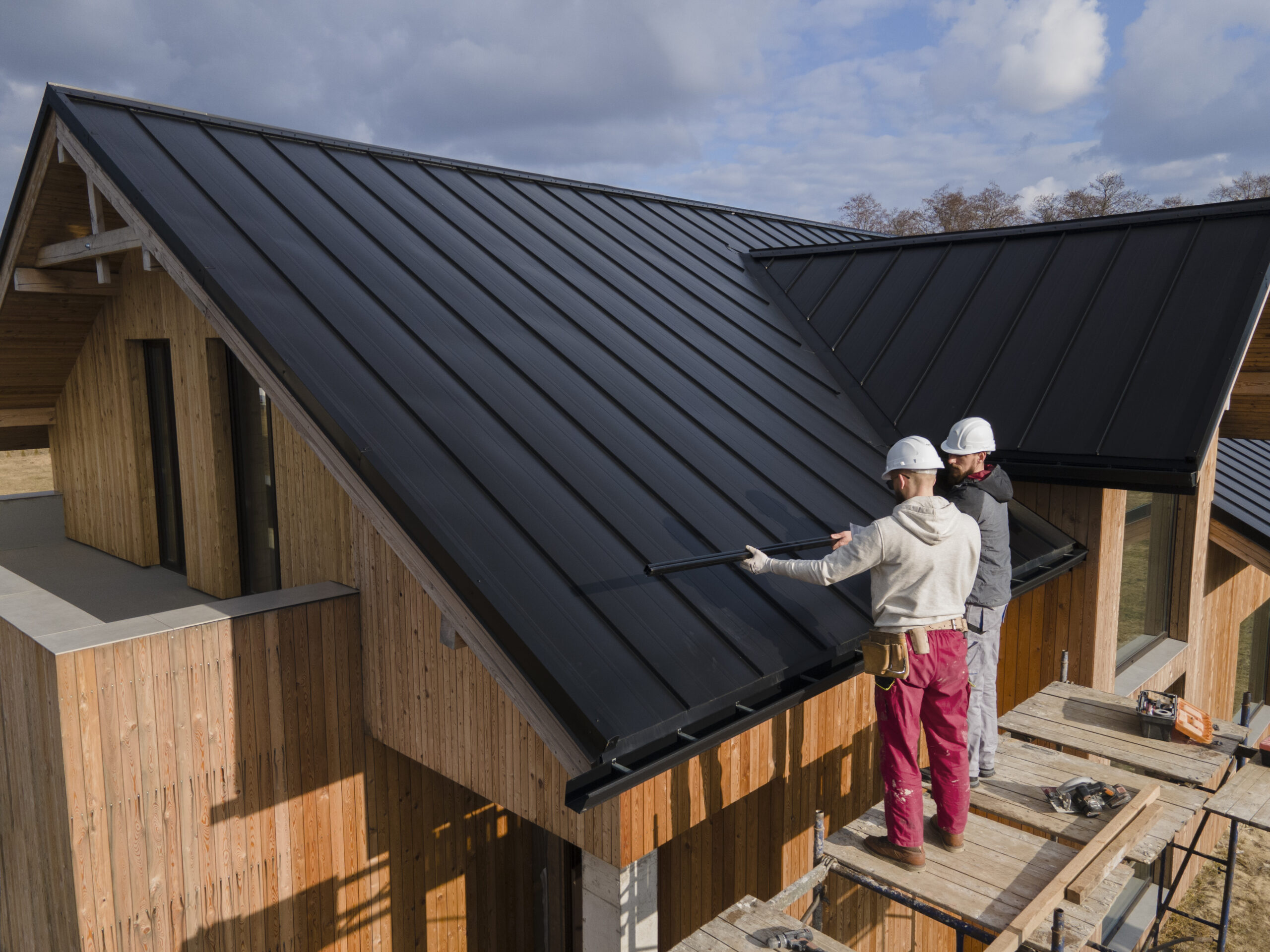
Standing seam metal is the strongest performer for longevity and energy efficiency in our climate. It reflects solar radiation rather than absorbing it, it expands and contracts uniformly without creating leak points the way exposed-fastener systems do, and it has no granules or petroleum components to degrade under UV exposure.
A quality standing seam roof installation scottsdale homeowners invest in today should genuinely outlast the mortgage and in many cases, the homeowner’s tenure in the property.
Metal Roofing — Corrugated / Exposed Fastener
Expected lifespan in Scottsdale: 25–40 years
Corrugated and exposed-fastener metal systems are more affordable than standing seam but carry a meaningful lifespan disadvantage in Scottsdale’s climate. Thermal cycling the daily expansion and contraction from 115°F daytime to cooler overnight temperatures gradually loosens exposed fasteners over time. Each loosened fastener is a potential leak point. Budget for fastener inspection and re-torquing every 5–7 years if you have this system.
Asphalt Shingle — Architectural (Dimensional)
Expected lifespan in Scottsdale: 15–20 years
This is where the gap between national warranty ratings and Arizona reality is most stark. A 30-year architectural shingle in a moderate climate might realistically deliver 25–28 years of service. The same shingle in Scottsdale, under daily UV bombardment and thermal cycling from May through October, typically shows meaningful degradation granule loss, cracking, curling by year 12–15.
If your home has architectural shingle and it’s approaching the 12-year mark, schedule a professional inspection before the next monsoon season. Don’t wait for visible interior symptoms by the time water shows up inside, the underlayment has usually been compromised for some time.
Asphalt Shingle — 3-Tab
Expected lifespan in Scottsdale: 10–15 years
3-tab shingle is not recommended for new installations in Scottsdale. It’s thinner, lighter, and less UV-resistant than architectural shingle all of which are compounded by Arizona’s climate. If your home has 3-tab shingle and it’s over 10 years old, treat it as approaching end of life regardless of how it looks from the street.
Foam Roofing — SPF (Spray Polyurethane Foam)
Expected lifespan in Scottsdale: 20–25 years (with recoating)
Foam roofing is common on flat and low-slope roofs across the Scottsdale and Phoenix metro it’s an excellent thermal insulator and handles our climate well when properly maintained. The key qualifier is the recoat: SPF roofs require a protective elastomeric topcoat that needs to be reapplied every 5–10 years depending on UV exposure and the quality of the original application. A foam roof that hasn’t been recoated on schedule is aging far faster than these numbers suggest.
What Shortens Roof Life in Arizona — and What Extends It
Understanding lifespan numbers is useful. Understanding what moves those numbers is more useful.
What shortens roof life in Scottsdale:
- Poor attic ventilation — In our climate, inadequate soffit and ridge ventilation traps heat in the attic, cooking the underlayment and roofing material from the inside out. This is the single most controllable factor in premature roof failure across the Scottsdale market. Quality az roofers assess ventilation as part of every installation and inspection not as an afterthought.
- Deferred maintenance — A cracked tile left unrepaired becomes a water infiltration point. A failed flashing seal left unaddressed becomes a major leak. In Arizona’s monsoon climate, the failure timeline is compressed compared to wetter climates where damage accumulates more slowly.
- Wrong underlayment for the climate — Not all underlayment is rated for extreme UV and heat. Contractors who use standard-grade underlayment on Scottsdale installations are setting up a premature failure, regardless of how premium the surface material is.
- Post-storm damage left uninspected — Monsoon events displace tiles, lift flashing, and damage ridge caps in ways that aren’t always visible from the ground. A single uninspected storm season can shorten a tile roof’s useful life by years.
What extends roof life in Scottsdale:
- Annual professional inspection ideally in May before monsoon season and in October after it
- Prompt repair of any displaced, cracked, or missing tiles
- Ridge cap inspection and resealing every 8–10 years
- Attic ventilation assessment at every inspection
- Foam roof recoating on schedule
- Quality underlayment specified at installation 30-year minimum rated for desert conditions
Roof maintenance phoenix az professionals who work in our specific climate will tell you the same thing: the difference between a tile roof that lasts 35 years and one that lasts 50 years almost always comes down to maintenance consistency, not material quality.
Signs Your Scottsdale Roof Is Near End of Life
These are the signals worth taking seriously especially if your roof is approaching the age thresholds for its material type:
- Granule accumulation in gutters — on shingle roofs, this is UV degradation made visible. Heavy granule loss means the asphalt underneath is directly exposed to the sun.
- Cracked, loose, or missing tiles in multiple locations — isolated tile damage is a repair. Widespread tile issues point toward systemic underlayment failure or a roof at end of life.
- Ceiling stains after monsoon events — any interior water sign after a storm warrants immediate professional inspection, not a wait-and-see approach.
- Visible daylight in attic — if you can see light through the roof deck from inside the attic, you have an active penetration.
- Roof age at or beyond material lifespan — if your shingle roof is 18 years old or your concrete tile is 45 years old, treat the next professional inspection as a replacement planning conversation, not just a maintenance check.
- Multiple repairs in the same area — if you’ve fixed the same spot twice in three years, the underlying system is failing. A third repair is usually money spent postponing an inevitable replacement.
When you’re seeing these signs, the right call is a written assessment from a licensed az roofing contractors with experience in your specific material type not a phone estimate, not a neighbor’s opinion. One qualified inspection gives you the data to make the decision confidently.
Finding Reliable Roofers Across the Phoenix Metro
Whether you’re in Scottsdale proper, Sun City, Fountain Hills, Glendale, or anywhere in the broader Maricopa County metro, the licensing standard is the same: any roofing contractor you hire should hold an active C-39 license through the Arizona ROC. Verify every contractor at roc.az.gov before scheduling an inspection or signing any estimate.
The top roofing companies in phoenix and Scottsdale that earn repeat business from homeowners across the East Valley all share the same traits: active AZ ROC licensure, full insurance coverage, written estimates, and a track record of local work you can verify. The best roofing companies in phoenix consistently pull permits, provide written warranties, and don’t pressure you into decisions on a single visit.
For any roof installation scottsdale, Chandler, Mesa, or Metro Phoenix project — new build, full replacement, or commercial installation — the licensed contractor selection process is where quality roofing begins.
Frequently Asked Questions
How long does a tile roof last in Scottsdale AZ? Concrete tile lasts 40–50 years in Scottsdale’s climate when properly maintained. Clay tile lasts 50+ years. The tile itself rarely fails — the underlayment beneath it is almost always what reaches end of life first. Any roof installation scottsdale contractors complete on tile should specify desert-rated underlayment with a minimum 30-year rating. At the 20–25 year mark, have a licensed roofer inspect the underlayment directly by pulling tiles in multiple areas.
Does extreme heat shorten roof life in Arizona? Yes significantly for some materials and minimally for others. Asphalt shingle is most affected: what lasts 25–30 years in a moderate climate typically lasts 15–20 years in Scottsdale due to UV degradation and thermal cycling. Tile and metal are specifically engineered for high-heat environments and perform close to their rated lifespans in our climate. Foam roofing performs well in heat but requires recoating on schedule to maintain that performance.
How often should I have my roof inspected in Scottsdale? Annually at minimum ideally twice a year: once in May before monsoon season to address any winter or wind damage, and once in October after monsoon season to assess storm impact. For older roofs approaching end-of-life for their material type, semi-annual inspections give you the earliest possible warning of developing problems. Roof maintenance phoenix az and Scottsdale professionals consistently recommend this two-inspection cadence for the desert Southwest.
What is the average cost of a new roof installation in Scottsdale? New roof installation scottsdale costs vary significantly by material, roof size, pitch, and site conditions. [INSERT VERIFIED LOCAL PRICING from Angi/HomeAdvisor/Thumbtack for Scottsdale AZ current year — pull new installation costs separately from replacement costs if data is available]. For budgeting purposes, tile and metal installations cost more upfront than shingle but deliver significantly better cost-per-year value over their lifespan in our climate.
How do I know if I need a roof repair or full replacement? The key factors are roof age relative to its material lifespan, extent of damage, and whether you’ve repaired the same area more than once. If repair cost exceeds 30–40% of replacement cost, replacement typically delivers better long-term value. A written assessment from a licensed az roofers professional not a phone estimate is the only reliable way to make this call with confidence.
[INTERNAL LINK → Blog #5 “Roof Repair vs Replacement in Scottsdale”] — Full decision framework including the 30% rule, age thresholds by material, and Arizona-specific factors.
Talk to Licensed Scottsdale Roofing Contractors About Your Roof’s Lifespan
If you’re not sure where your roof stands or if you’re seeing any of the warning signs above a professional inspection is the fastest way to get clarity. We work with homeowners across Scottsdale, Phoenix, Tempe, Mesa, and the entire East Valley on everything from lifespan assessments to full roof installations.
As licensed roofing contractors phoenix az and Scottsdale homeowners rely on, we’ll give you a straight answer: repair, maintain, or replace with the written documentation to back it up.
Call for a free roof assessment: [(480) 919-1173]