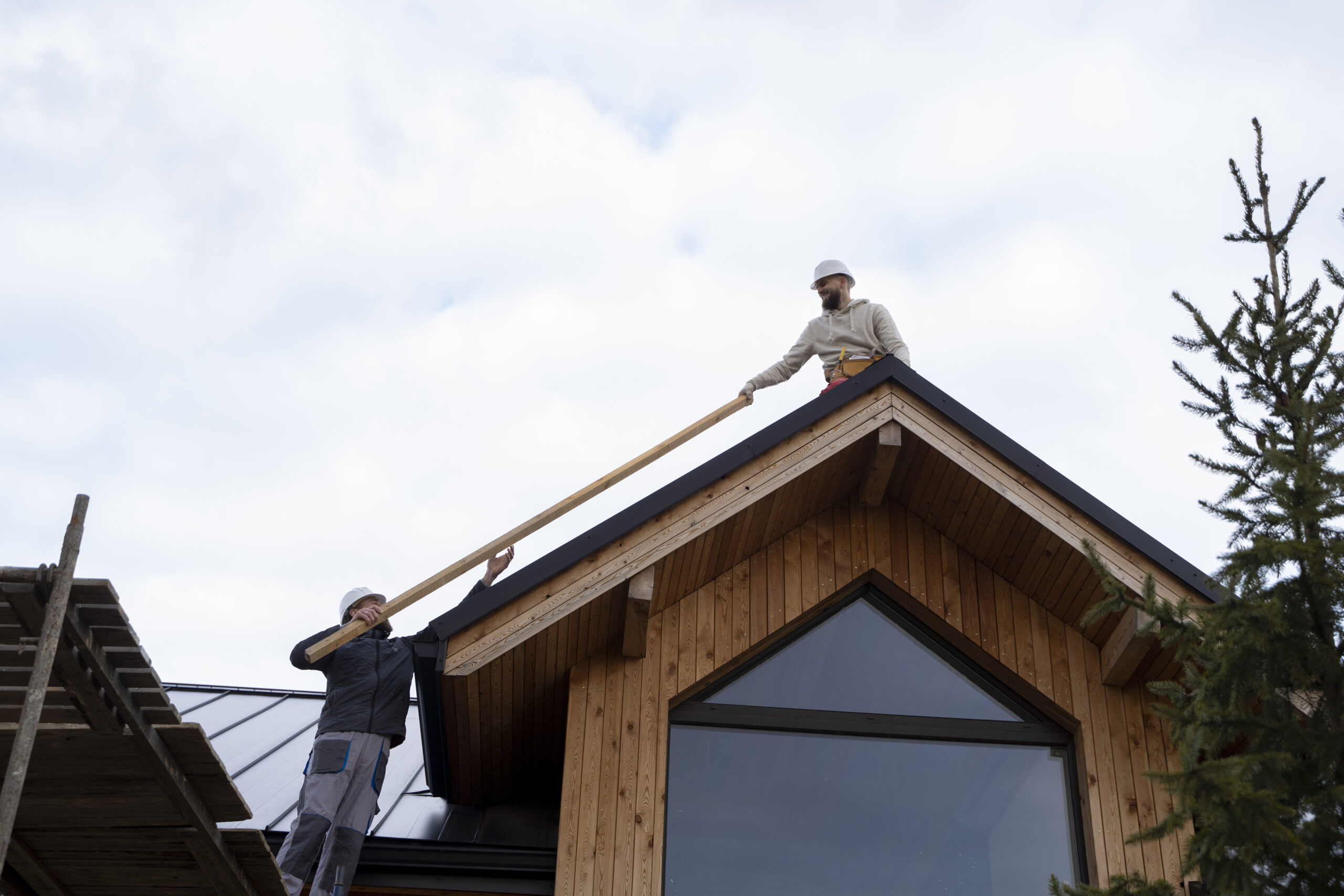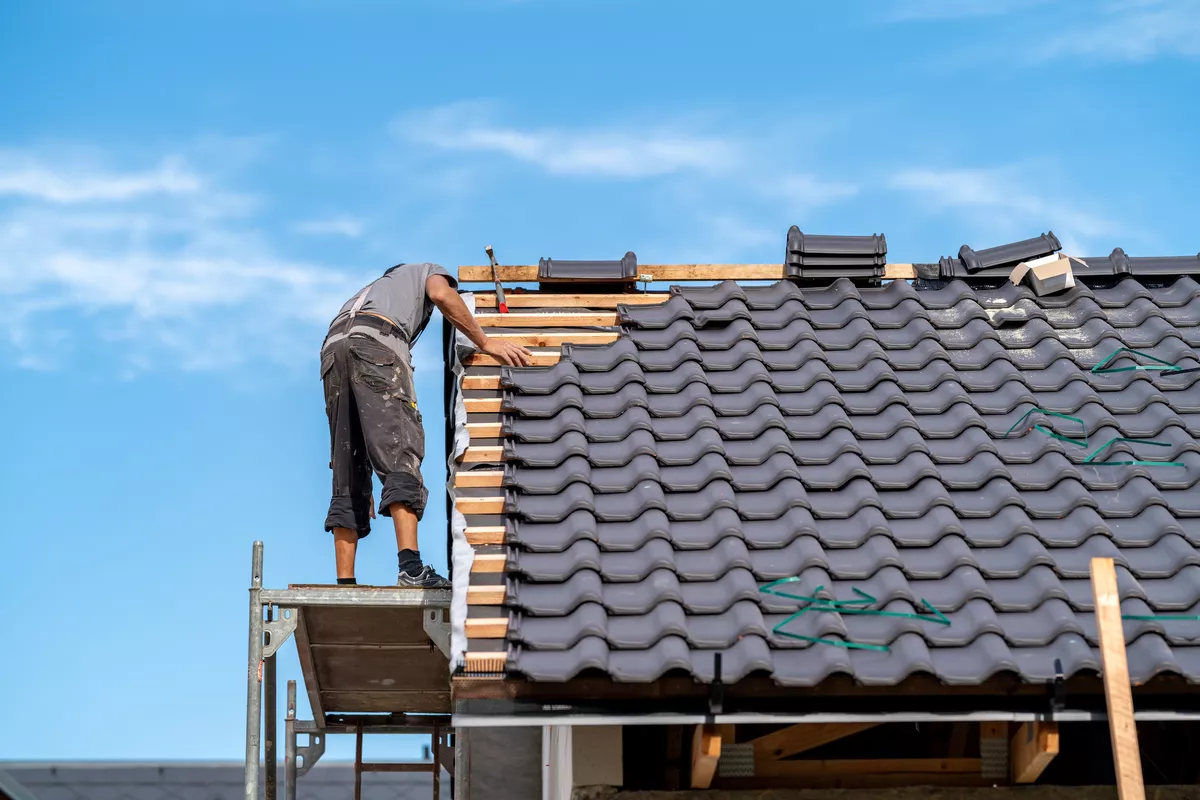
When a monsoon rolls through Scottsdale, it doesn’t mess around. We’re talking 60 mph wind gusts, driving rain, and hail all hitting your roof in under 30 minutes. If you’ve got damage and you need emergency roof repair in Phoenix or Scottsdale right now, here’s exactly what to do step by step, no fluff.
Quick answer: After monsoon roof damage, your first three moves are: document everything with photos, place temporary protection over any active leaks, and call a licensed AZ ROC roofing contractor for a professional inspection before signing anything with anyone. We’ll walk you through the full process below.
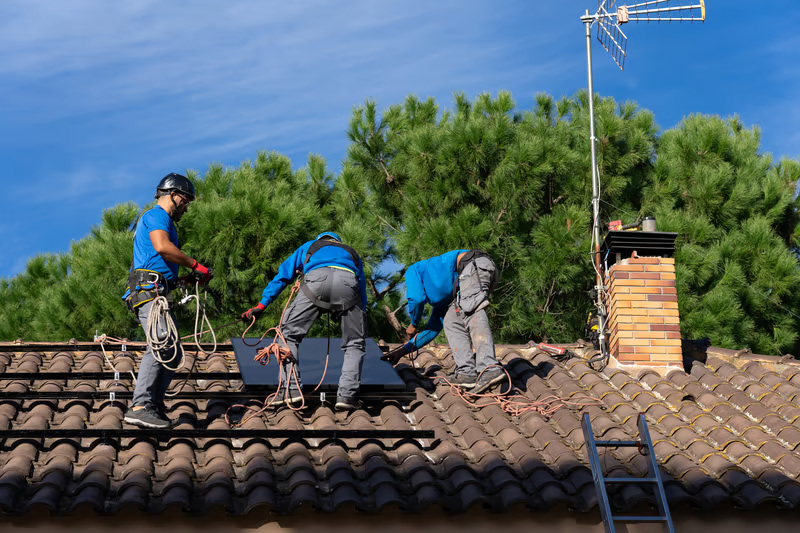
What to Do in the First 48 Hours After Monsoon Roof Damage
This is the window that matters most. What you do and don’t do in the first 48 hours after a monsoon hits your roof determines how smoothly your repair or insurance claim goes.
Step 1 — Stay Safe First
Don’t go on the roof yourself. Wet tile and shingle surfaces after a storm are dangerously slick, and structural damage isn’t always visible from the outside. If you suspect serious damage, stay off the roof entirely and call a professional.
If there’s active water intrusion into your home, move valuables, electronics, and furniture away from the affected area immediately. Place buckets to catch drips and lay towels to prevent water from spreading to subflooring.
Step 2 — Document Everything Before Touching Anything
Before you move a single displaced tile or clear any debris, take a photograph of everything. Use your phone to capture:
- Wide shots of the full roof from ground level (all four sides if possible)
- Close-up shots of any visible damage cracked tiles, missing shingles, lifted flashing, displaced ridge caps
- Interior damage ceiling stains, wet drywall, watermarks, any active dripping
- Date and time stamps on all photos (your phone does this automatically)
This documentation is your insurance claim. The more detail you capture before any work is done, the stronger your position with your adjuster. Don’t skip this step even if the damage looks minor what looks small from the ground is often larger on the roof.
Step 3 — Apply Temporary Protection If There’s Active Leaking
If water is actively coming in, you or a contractor can place a heavy-duty tarp over the affected area as a temporary measure. Use weighted sandbags or bungee cords to secure it never nail or staple a tarp into roofing material, as this can cause additional damage that complicates your insurance claim.
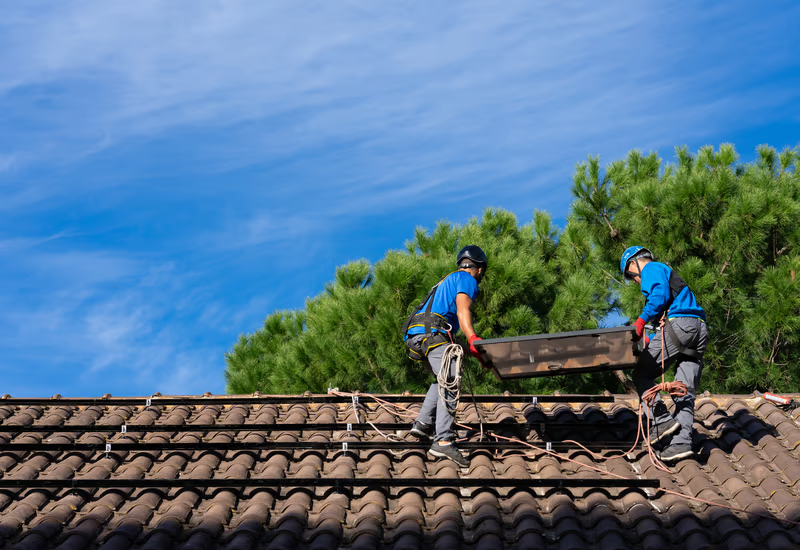
For serious active leaks, call for emergency roof repair phoenix az service immediately most licensed Scottsdale-area roofers offer emergency tarping and board-up services within a few hours of a major storm event.
Step 4 — Call Your Insurance Company
Report potential damage to your homeowner’s insurance company within 24–48 hours of the storm. You don’t need to have a contractor’s assessment in hand yet you’re just opening the claim and establishing the date of loss.
Important: Do NOT sign an Assignment of Benefits (AOB) form with any contractor before speaking with your insurance adjuster. AOB forms sign over your insurance rights to the contractor — a common tactic used by predatory post-storm operators in the Phoenix metro. Once signed, you lose control of your own claim.
Step 5 — Get a Professional Inspection from a Licensed Roofer
Before accepting any estimate or signing any contract, get a professional roof inspection from a licensed AZ ROC contractor. This inspection should be written, itemized, and provided to you before any work begins.
Verify every contractor at roc.az.gov before letting them on your roof. After a major monsoon, out-of-state storm chasers flood the Phoenix and Scottsdale metro looking for quick jobs. They often misrepresent damage scope, use substandard materials, and disappear when problems surface. An active AZ ROC C-39 license is your first and most important filter.
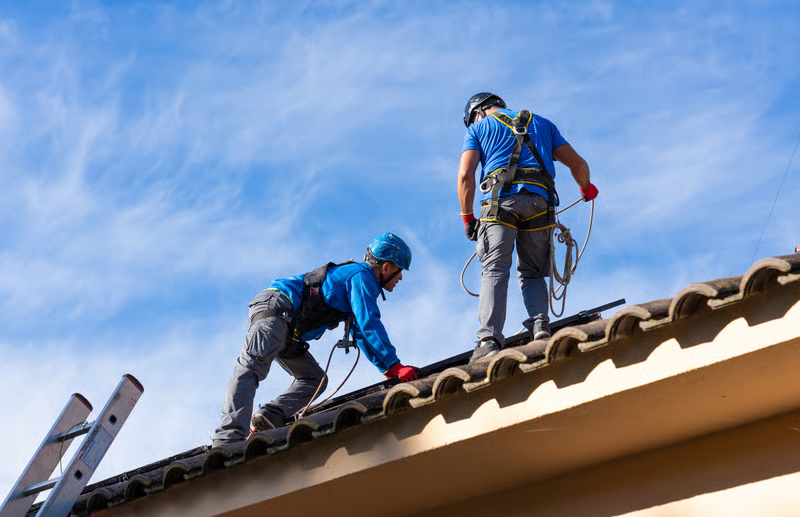
Emergency Roof Repair in Glendale AZ and the Surrounding Metro
Monsoon damage doesn’t stop at the Scottsdale city limits. We regularly handle leaking roof repair glendale az calls after major storm events and the same post-storm rules apply whether you’re in Glendale, Sun City, Tempe, or Chandler.
For emergency roof repair glendale az homeowners, response times after a major monsoon can stretch to 24–48 hours as demand surges across the Valley. If you’re in Glendale or the northwest Phoenix metro and have active water intrusion, emergency roofing glendale az services should be your first call — not a general contractor, not a handyman, and definitely not someone who knocked on your door after the storm.
For urgent roof repair glendale az situations where water is actively entering the structure, a licensed roofer should be able to provide emergency tarping same-day in most cases. Fast roof repair glendale az for minor damage a few displaced tiles, minor flashing issues can typically be scheduled within 3–5 business days after a major storm event, though post-monsoon demand may extend that timeline.
Emergency Commercial Roofing in Sun City and North Phoenix
If you manage a commercial property — whether it’s near the Scottsdale Airpark, in the Sun City retirement corridor, or anywhere along the I-17 and Loop 101 commercial storm damage operates differently from residential.
Emergency commercial roofing sun city az and broader north Phoenix properties typically involve flat or low-slope roof systems: TPO membrane, modified bitumen, or foam. These systems handle water pooling differently than pitched residential roofs, and post-storm damage can be less obvious visually but equally serious structurally.
For commercial roof repair services sun city az and surrounding properties, the same 48-hour documentation and insurance notification rules apply. Additionally:
- Commercial policies often have stricter notice requirements — check your policy’s reporting window
- Flat roof ponding water after a storm should be inspected within 24 hours, not waited out
- Get a licensed contractor with commercial experience specifically — not a residential-only roofer applying residential logic to a flat roof system
Mistakes That Make Monsoon Roof Damage Worse
We see these every season across the Scottsdale, Glendale, and Phoenix metro:
Waiting too long to call your insurance company. Most Arizona homeowner’s insurance policies have a reporting window for storm damage claims. Missing it — even by a few days — can give the insurer grounds to deny your claim. Call within 24–48 hours even if you’re not sure how bad it is.
Letting the wrong contractor start work before the adjuster visits. Once a contractor starts repairs before your adjuster has documented the damage, you may lose the ability to claim some or all of the repair cost. The only exception is emergency temporary protection to prevent further damage — and even that should be documented thoroughly.
Ignoring small damage after a “minor” storm. In Scottsdale’s climate, a cracked tile or lifted flashing that lets in even a small amount of water during one monsoon becomes a major problem by the next season. Minor damage found and fixed in September costs far less than water damage found in your attic the following summer.
Hiring someone who came to your door post-storm. Legitimate urgent roof repair glendale az and Scottsdale contractors don’t canvas neighborhoods after storms. Reputable companies are busy enough after a major event that they don’t need to solicit door-to-door. If someone knocked uninvited, verify their ROC license before any further conversation.
Frequently Asked Questions
How fast can I get emergency roof repair in Phoenix or Scottsdale after a monsoon?
Response times vary by damage severity and post-storm demand. For active water intrusion, same-day emergency tarping is typically available from licensed contractors. Full repair scheduling after a major monsoon event usually runs 3–7 business days as crews work through backlogs across the Valley. The sooner you call, the sooner you get on the schedule.
Does homeowner’s insurance cover monsoon roof damage in Arizona?
In most cases, yes — monsoon wind and hail damage is a covered peril under standard Arizona homeowner’s insurance policies. The key is reporting within your policy’s notice window (typically 24–72 hours) and documenting damage before any work begins. Wear-and-tear damage that the monsoon simply exposed is typically not covered. See our full insurance claim guide for details.
What’s the difference between emergency tarping and actual roof repair?
Emergency tarping is a temporary protective measure — it stops water from entering while you wait for a full inspection and scheduled repair. It’s not a fix. Actual roof repair involves licensed work, permits where required, and permanent materials. Never accept a tarp job as a completed repair, and never pay full repair pricing for tarping only.
How do I know if my roof needs repair or full replacement after monsoon damage?
A single storm rarely causes enough damage to require full replacement unless the roof was already at or near end of life. A licensed inspector can tell you within the first visit. If your roof is more than 20 years old and this is the second or third significant storm event, replacement may be the more economical long-term decision.
Call a Licensed Scottsdale Emergency Roofer Now
If you’ve got storm damage, don’t wait. The longer water sits — in your attic, your insulation, your drywall — the more expensive the total repair becomes.
We provide certified emergency roof repair glendale az, Scottsdale, Phoenix, and throughout the East Valley. Our crews are licensed through the Arizona ROC, fully insured, and available for same-day emergency response for active leaks and serious storm damage.
Call now for professional emergency roof repair glendale az and Scottsdale service: [+1 (614) 420-2913]
We’ll get out to you fast, document the damage properly, and give you a written estimate before a single nail goes in