Ask any experienced roofer in Scottsdale what the number one mistake homeowners make and you’ll hear the same answer every time: choosing a roofing material based on national reviews instead of what actually survives an Arizona summer. We’re talking 115°F heat, intense UV radiation, monsoon winds, and thermal cycling that expands and contracts your roof twice a day from June through September. What works in the Midwest doesn’t necessarily work here.
Quick answer: For most Scottsdale homeowners, concrete or clay tile is the best long-term roofing material it handles extreme heat, UV, and monsoon conditions better than any alternative and lasts 40–50 years in our climate. Metal roofing is the best choice for energy efficiency and longevity. Asphalt shingle is the most affordable upfront but has the shortest lifespan in Arizona. We break down all three and more below.
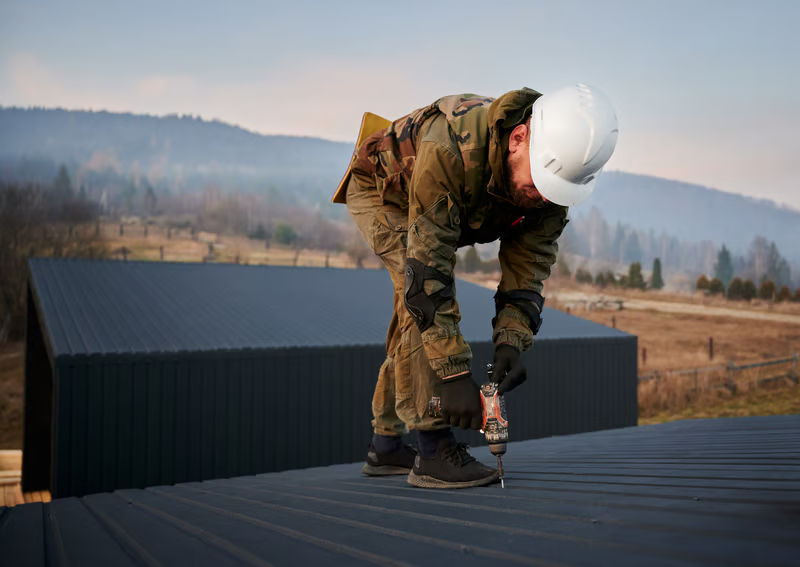
Why Roofing Material Choice Is Critical in Scottsdale
Most roofing material ratings and warranties are based on performance in moderate US climates the Pacific Northwest, the Midwest, the Southeast. Scottsdale and the broader Phoenix metro are an entirely different environment.
Here’s what your roof deals with every single year in our climate:
- Extreme UV exposure: Arizona receives more solar radiation than almost any other US state. UV degrades asphalt-based products significantly faster here than the national average.
- Thermal cycling: Daytime temps of 110°F+ dropping to 75–80°F overnight means your roofing material expands and contracts daily during summer months. Over years, this stresses fasteners, seals, and materials.
- Monsoon wind and impact: The North American Monsoon brings wind gusts regularly exceeding 60 mph, driving rain, and occasional hail to the Scottsdale metro between July and September.
- Sustained heat load: Attic temperatures in Scottsdale can exceed 160°F in summer without adequate ventilation. This heat load degrades underlayment, decking, and roofing material from the inside out.
A knowledgeable roofer in Scottsdale factors all of this in when recommending materials — not just cost, not just curb appeal. Here’s how each major option stacks up.
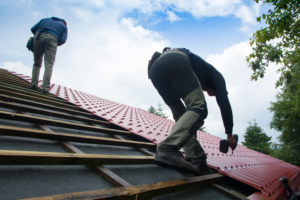
Concrete and Clay Tile Roofing in Scottsdale
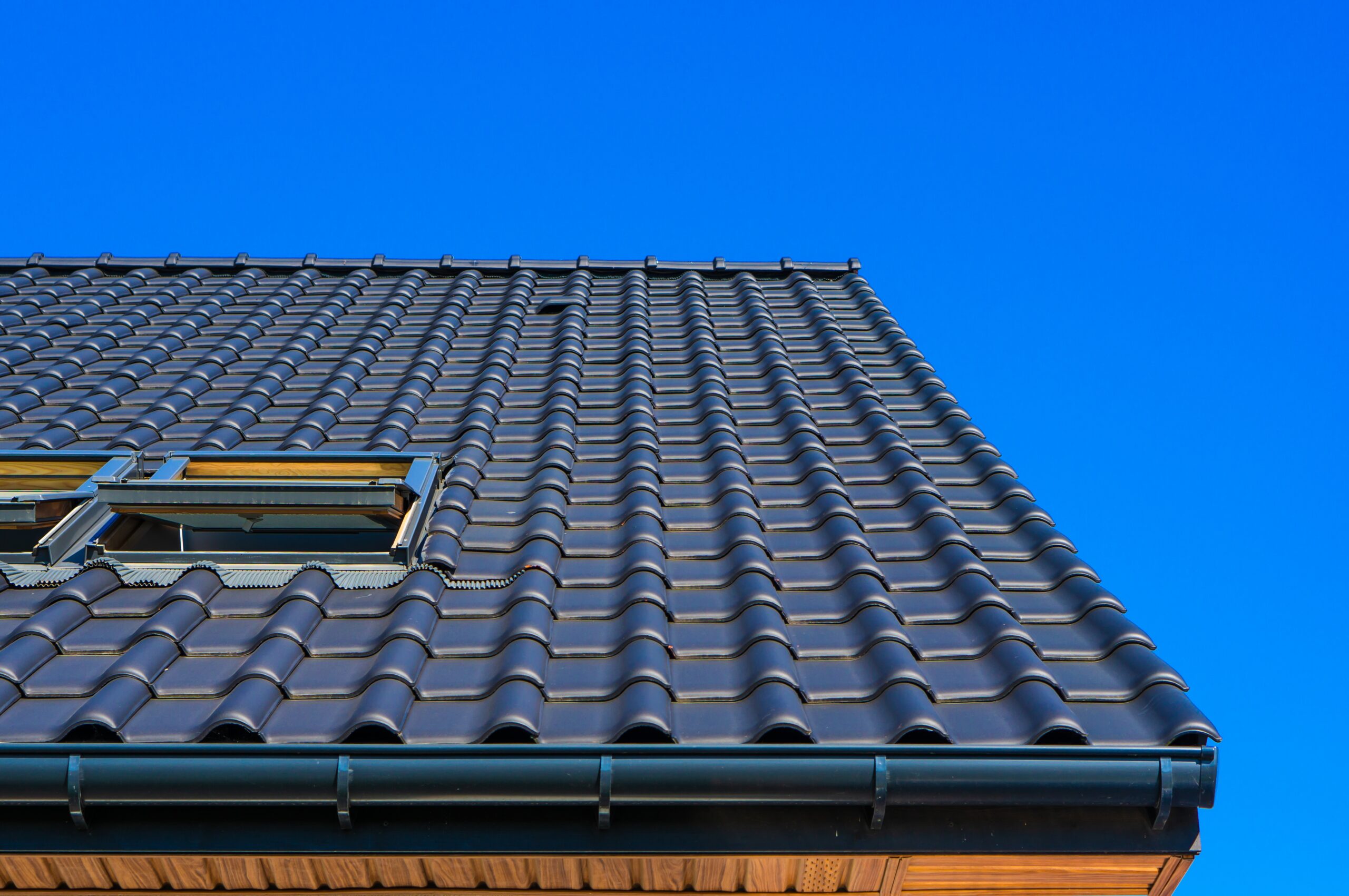
Tile is the dominant roofing material in Scottsdale for a reason — it was engineered for exactly this kind of climate. Walk through any established neighborhood from McCormick Ranch to DC Ranch to Gainey Ranch and tile is what you’ll see on the majority of homes.
Why tile works in Scottsdale:
Tile has a high thermal mass — it absorbs heat slowly and releases it slowly, which reduces the heat transfer into your living space compared to shingle. It’s also non-combustible (critical in a desert wildfire-adjacent climate), highly resistant to UV degradation, and handles monsoon wind loads exceptionally well when properly installed over a quality underlayment.
Concrete tile vs. clay tile:
Concrete tile is heavier and slightly more affordable than clay. Clay tile is lighter, more aesthetically varied, and carries a longer historical track record in extreme heat climates — Spanish clay tile has been used in desert climates for centuries for good reason. Both perform excellently in Scottsdale; the choice often comes down to budget and aesthetic preference.
Lifespan in Scottsdale: 40–50 years for concrete tile, 50+ years for quality clay tile with proper maintenance. Typical installed cost:$15,000 – $35,000 Angi, HomeAdvisor, Scottsdale contractor quotes] Best for: Homeowners planning to stay long-term, luxury and mid-range homes in established Scottsdale neighborhoods, HOA-governed communities
What to watch for: The tile itself rarely fails it’s the underlayment beneath it that degrades first in our climate. When a tile roof fails, it’s almost always because the underlayment wasn’t rated for desert heat or wasn’t replaced during the last re-roofing cycle. Make sure any tile installation or replacement uses a 30-year minimum-rated underlayment.
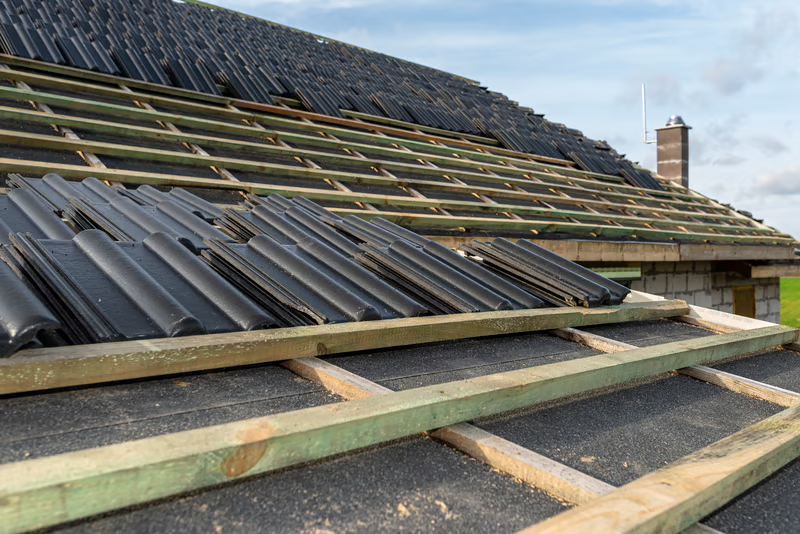
Metal Roofing for Scottsdale Homes
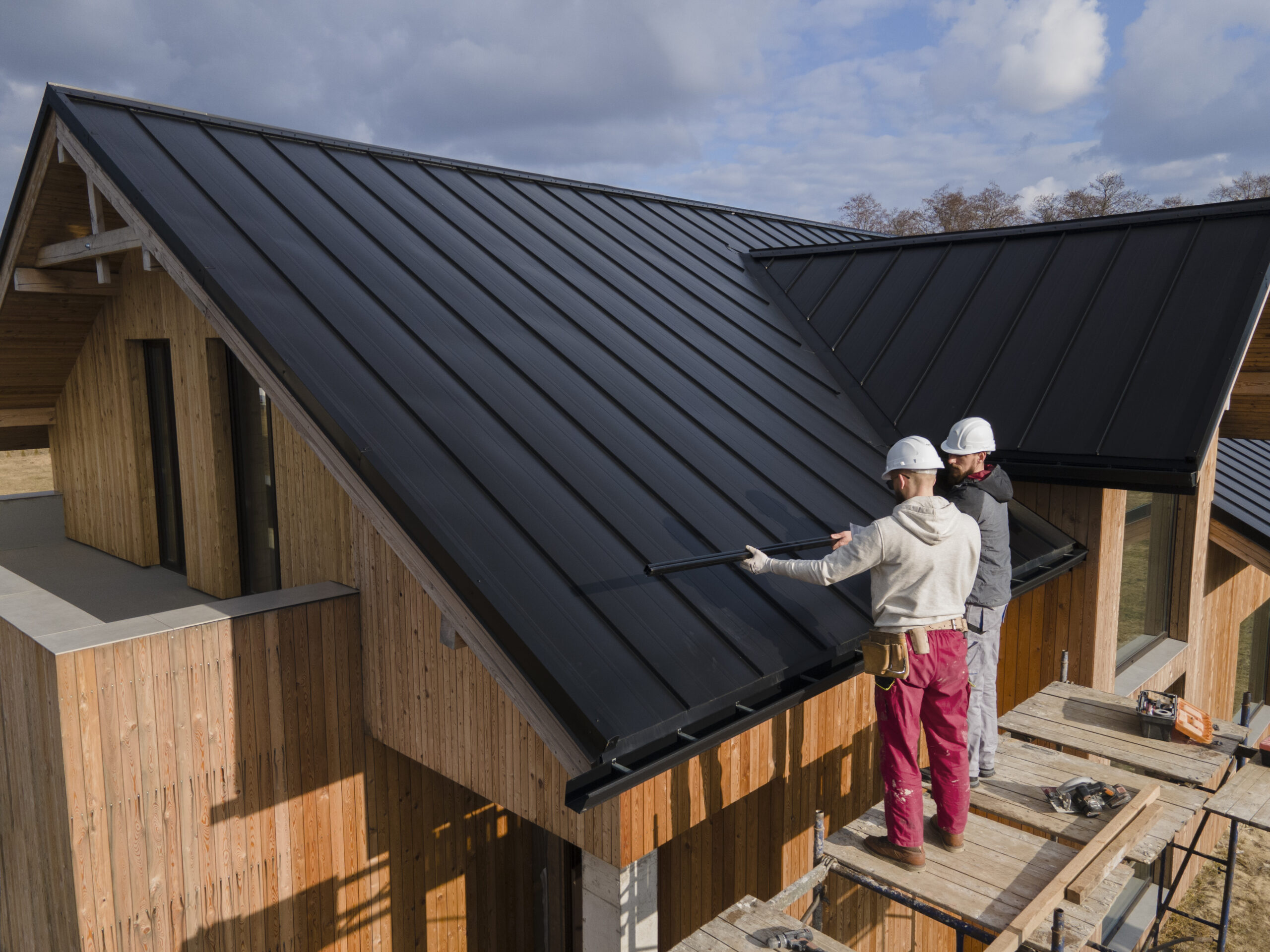
Metal roofing has grown significantly in popularity across Scottsdale and the broader Phoenix residential roofing market over the last decade, and for good reason. It’s the strongest performer for energy efficiency and has an excellent lifespan in desert climates.
Why metal works in Scottsdale:
Modern metal roofing, especially standing seam systems, reflects a significant portion of solar radiation rather than absorbing it. In a climate where cooling costs dominate your energy bill from May through October, a reflective metal roof can meaningfully reduce attic heat load compared to dark tile or shingles. Metal is also lightweight relative to tile, non-combustible, and handles monsoon conditions well when properly fastened.
Standing seam vs. corrugated metal:
Standing seam systems have concealed fasteners the metal panels interlock and the fasteners are hidden beneath the seam. This is the superior system for Scottsdale because exposed fasteners on corrugated panels are a leak risk as thermal cycling loosens them over time. For a long-term residential installation, a standing seam is worth the premium.
Lifespan in Scottsdale: 40–70 years for standing seam, 25–40 years for corrugated. Typical installed cost: $12,000 – $30,000 Angi, HomeAdvisor, Scottsdale contractor quotes] Best for: Energy-conscious homeowners, new builds, modern architectural styles, commercial and industrial properties
Commercial note: For commercial and industrial properties near the Scottsdale Airpark or across the broader Phoenix metro, metal is frequently the material of choice alongside TPO and foam systems. Phoenix industrial roofers working on commercial projects typically spec standing seam or structural metal panel systems for flat-to-low-slope commercial applications.
Shingle Roofing in Phoenix AZ — What You Need to Know
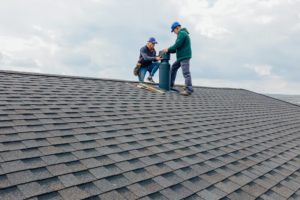
Asphalt shingle is the most common roofing material in the United States — but it’s also the material that performs the most differently in Arizona versus the rest of the country. Any experienced roofer serving shingle roofing phoenix az projects will tell you the same thing: national warranty ratings don’t translate directly to Arizona performance.
Why shingle underperforms in Scottsdale’s heat:
Asphalt shingle is petroleum-based. UV radiation degrades petroleum products, and Arizona gets more UV than virtually anywhere else in the country. Standard 30-year shingles in Scottsdale often show significant degradation granule loss, cracking, curling by year 12–15. The “30-year” rating is based on moderate climate testing, not desert performance.
When shingle makes sense in Scottsdale:
Shingle isn’t the wrong choice for every Scottsdale homeowner. It’s the most affordable upfront option, it’s widely available, and installation is faster than tile. If you’re planning to sell your home within 5–7 years, a quality architectural shingle installation may be the most economical decision. If you’re in a neighborhood where HOA restrictions prevent tile or metal, shingle may be your only practical option.
What to do if you’re installing shingle in Scottsdale:
Choose architectural (dimensional) shingle rated for high wind and UV — not 3-tab. Spend more on quality underlayment — this is where you make up the most ground against our climate. Ensure your attic ventilation is optimized before installation; poor ventilation accelerates shingle degradation from the underside.
Lifespan in Scottsdale: 15–20 years (architectural shingle); 12–15 years (3-tab). Typical installed cost: $12,000 – $30,000: Angi, HomeAdvisor, Scottsdale contractor quotes] Best for: Short-term owners, budget-constrained replacements, homes where tile/metal isn’t HOA-approved or structurally feasible
Don’t Overlook Soffit and Ventilation in Scottsdale
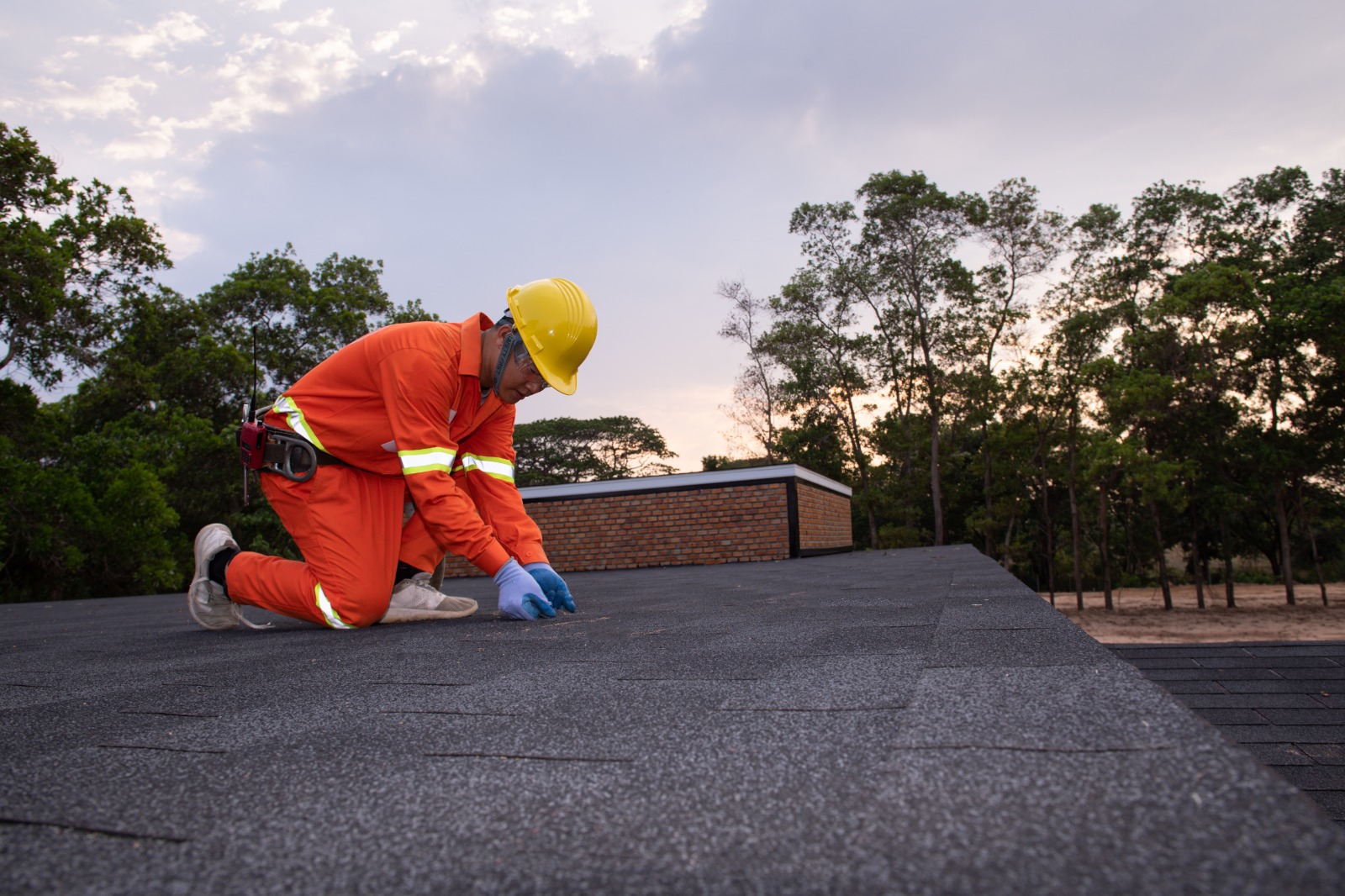
Here’s something that doesn’t get enough attention in roofing material discussions: no matter which material you choose, your roof will underperform and potentially fail early — if your soffit and attic ventilation system isn’t working properly.
Scottsdale soffit repair is one of the most requested services we handle on homes that were re-roofed by contractors who focused only on the material and ignored the ventilation equation. Damaged, blocked, or incorrectly installed soffits reduce airflow into the attic and in a climate where attic temps hit 160°F, that trapped heat attacks your underlayment, your decking, and the underside of your roofing material from below.
Signs your soffit needs attention:
- Peeling paint on exterior soffits or fascia
- Evidence of moisture or staining in the attic near the eaves
- Unusually high cooling bills (often a ventilation symptom before a roofing symptom)
- Visible rot, cracking, or pest intrusion in soffit panels
If you’re getting quotes for a full roof replacement, ask every contractor what their plan is for soffit inspection and ventilation assessment. It should be part of every comprehensive re-roof scope in our climate not an upsell.
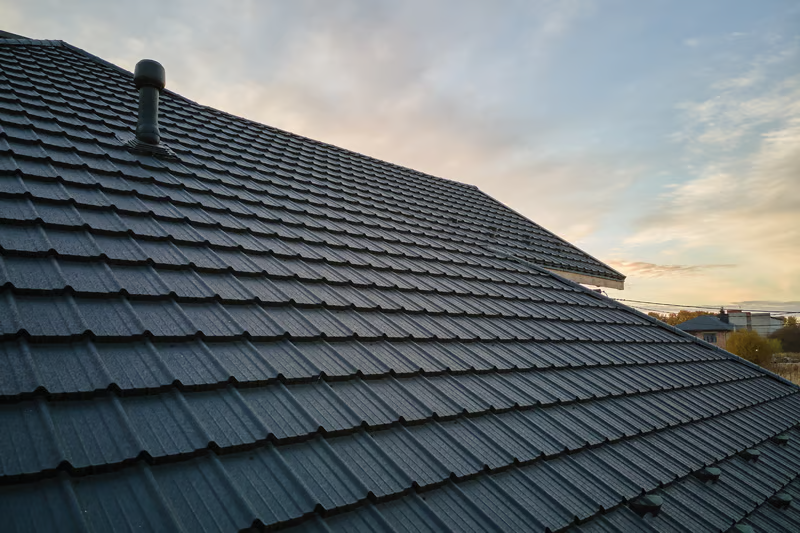
Roofing Material Recommendations for Glendale and the West Valley
The material considerations that apply to Scottsdale apply equally to glendale residential roofing and properties across the West Valley the same UV exposure, the same monsoon patterns, the same thermal cycling.
For residential roofing services in Glendale, AZ, homeowners, tile and metal carry the same performance advantages as in Scottsdale. The main practical difference is that some West Valley neighborhoods have a higher proportion of older shingle roofs many of which are at or near end of life, and more budget-conscious replacement decisions as a result.
If you’re managing a property in Glendale, Peoria, Sun City, or the northwest Valley corridor, the same material advice applies: tile for long-term value, metal for energy efficiency, shingle only if budget or timeline demands it. For Phoenix residential roofing projects across the broader metro, the climate context doesn’t change regardless of which city you’re in.
Quick Comparison: Roofing Materials for Arizona Heat
| Material | Upfront Cost | Lifespan (AZ) | Heat Performance | Best For |
| Concrete Tile | Medium-High | 40–50 years | Excellent | Long-term homeowners, established neighborhoods |
| Clay Tile | High | 50+ years | Excellent | Luxury homes, desert aesthetic |
| Standing Seam Metal | High | 40–70 years | Excellent (reflective) | Energy efficiency, modern homes |
| Corrugated Metal | Medium | 25–40 years | Good | Budget metal option |
| Architectural Shingle | Low-Medium | 15–20 years | Fair | Short-term owners, budget replacements |
| 3-Tab Shingle | Low | 12–15 years | Poor | Not recommended for Scottsdale |
| Foam (SPF) | Medium | 20–25 years (w/ recoat) | Good | Flat/low-slope roofs |
Frequently Asked Questions
What is the best roofing material for extreme heat in Scottsdale AZ?
Concrete or clay tile is the best overall choice for Scottsdale’s extreme heat it has high thermal mass, resists UV degradation, and lasts 40–50+ years in our climate when properly installed. Metal roofing is the top choice if energy efficiency and cooling cost reduction are your priorities. Any experienced roofer in Scottsdale will tell you that asphalt shingle, while affordable, has the shortest useful life in our UV-heavy desert climate.
How long does asphalt shingle last in Scottsdale Arizona?
Significantly less than its rated lifespan. Standard 30-year architectural shingles typically show meaningful degradation granule loss, cracking, curling by year 12–15 in Scottsdale’s climate due to intense UV exposure and thermal cycling. Three-tab shingles often fail even sooner, in the 10–12 year range. If you’re installing shingle in Arizona, choose a quality architectural product with a high wind rating and invest in premium underlayment.
Is metal roofing worth it in Arizona?
Yes especially if you plan to stay in your home long-term. Metal roofing reflects solar radiation rather than absorbing it, which reduces attic heat load and cooling costs during our brutal May-through-October season. Standing seam metal systems last 40–70 years in Arizona’s climate, have no granules to lose, and handle monsoon wind loads well. The higher upfront cost compared to shingle is typically recovered in energy savings and longevity over years.
Does Scottsdale have HOA restrictions on roofing materials?
Many Scottsdale and Paradise Valley HOAs do have roofing material and color restrictions particularly in planned communities like DC Ranch, Troon North, and McCormick Ranch. Before selecting a material for any replacement project, check your CC&Rs or contact your HOA directly. Your licensed roofer should also flag any known HOA restrictions for your neighborhood before work begins.
Talk to a Licensed Scottsdale Roofer About Your Options
Material choice is one of the most consequential decisions in any roofing project and the right answer depends on your home’s structure, your neighborhood’s HOA rules, your timeline, and your budget. There’s no one-size answer.
We’re trusted roof leak repair glendale az and Scottsdale specialists, and we work with homeowners across the entire Phoenix metro from Fountain Hills to Glendale, Sun City to Chandler to help them make the right call the first time.
As licensed roofing contractors phoenix az and Scottsdale homeowners rely on, we’ll give you a written assessment of your current roof, a clear material recommendation for your specific situation, and a no-pressure estimate for whatever direction you choose.
Call us for a free consultation: [+1 (614) 420-2913]