Every monsoon season, Scottsdale homeowners go through the same stressful experience: a major storm hits, the roof takes damage, and suddenly they’re navigating a process most people have never dealt with before. Filing a roof insurance claim in Arizona isn’t complicated once you know the steps but the mistakes people make in the first 48 hours can cost them thousands of dollars in settlement value or get their claim denied entirely.
We’ve helped homeowners across Scottsdale, Glendale, Ellisdale, and the broader Phoenix metro through this process more times than we can count. Whether you’re dealing with a few displaced tiles or significant structural damage, this guide walks you through exactly what to do in the right order.
Quick answer: To file a roof insurance claim in Scottsdale, document all damage with photos before touching anything, call your insurance company within 24–48 hours to open the claim, get a written inspection from a licensed AZ ROC roofer before your adjuster visits, and never sign an Assignment of Benefits form before speaking with your insurer. Full step-by-step process below.
How to File a Roof Insurance Claim in Scottsdale: Step by Step
Step 1 — Document All Damage Before Anything Else
This is the most important step and the one most homeowners skip in the rush to “do something.” Before you move a single piece of debris, clear a drain, or call anyone, get your phone out and document everything.
What to photograph:
- Full roof from ground level — all four sides if accessible
- Every area of visible damage — cracked tiles, missing shingles, lifted flashing, displaced ridge caps, damaged gutters
- Interior damage — ceiling stains, wet drywall, watermarks, any active dripping or pooling
- Any property damage caused by the same event downed trees, damaged HVAC units, fence damage
Photograph in good light. Include wide shots for context and close-ups for detail. Your phone timestamps everything automatically that timestamp is evidence of when damage was discovered, which matters for your claim timeline.
One rule: Do not allow any contractor to start work even temporary work before you’ve completed this documentation. Once materials are moved or repairs begin, you’ve changed the evidence your adjuster needs to assess.
Step 2 — Call Your Insurance Company and Open the Claim
Contact your homeowner’s insurance company within 24–48 hours of the storm event. You don’t need a contractor’s report in hand yet you’re opening the claim and establishing the date of loss.
What to say:
- Identify yourself and your policy number
- State the date of the storm event
- Describe what you’ve observed “I have visible damage to my tile roof following the monsoon on”
- Ask for your claim number and the adjuster’s contact information
- Ask about your policy’s reporting deadline and your deductible
What not to say:
- Don’t estimate repair costs — you don’t know yet and guessing can anchor the adjuster’s assessment incorrectly
- Don’t agree to any settlement on the first call
- Don’t describe pre-existing conditions you’re aware of unless directly asked let the adjuster assess independently
Keep a written log of every call: date, time, representative name, and what was discussed. This log becomes important if you have a dispute later.
Step 3 — Get a Licensed Roofer to Inspect Before the Adjuster Visits
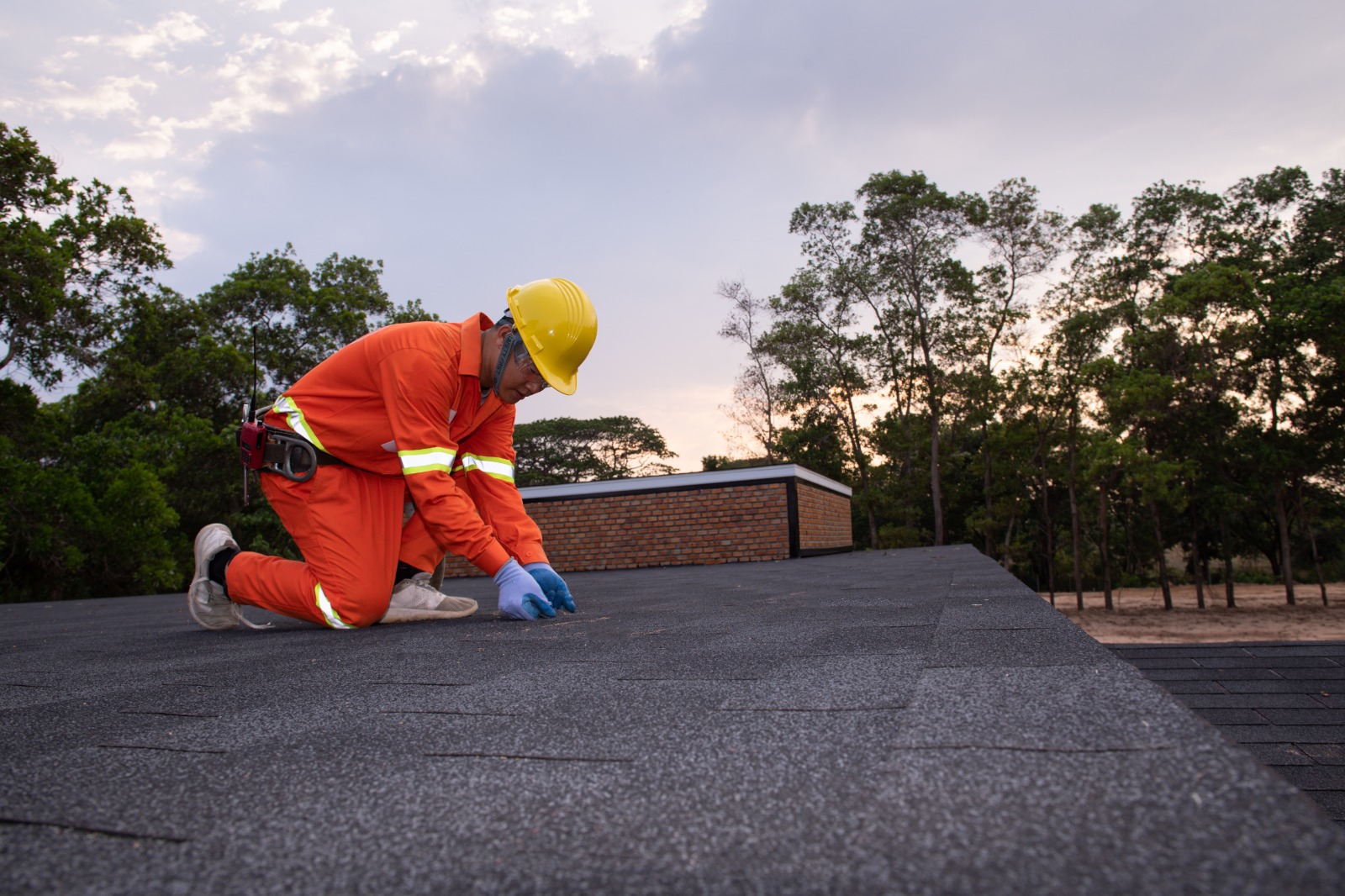
This step surprises most homeowners but it’s critical: get your own licensed AZ ROC roofing inspection completed before your insurance adjuster visits your property.
Here’s why this matters. Adjusters are skilled at their jobs, but they work for the insurance company not for you. An adjuster who misses damage or underscopes the repair cost may not do so intentionally, but the result is the same: a settlement that doesn’t cover the actual work needed.
A written inspection report from a licensed roofer in Scottsdale or the surrounding metro — including roof repair glendale az specialists if you’re in the west Valley gives you an independent assessment to compare against the adjuster’s findings. If there are discrepancies, you have documented evidence to dispute them.
What the inspection should include:
- Written itemized list of all identified damage
- Photos taken by the contractor during inspection
- Material and scope recommendations
- Estimated repair or replacement cost
- Contractor’s AZ ROC license number on the report
Verify every contractor at roc.az.gov before scheduling an inspection. Roofing contractors glendale az, Scottsdale, and across Maricopa County all must hold an active C-39 license — confirm it before letting anyone on your roof.
Step 4 — Meet the Insurance Adjuster with Documentation in Hand
When your adjuster visits, be present for the inspection. Walk the roof with them if it’s safe to do so or have your licensed roofer present to walk it with the adjuster directly.
Bring:
- Your photo documentation from Step 1
- Your licensed roofer’s written inspection report from Step 3
- Your call log from Step 2
- A copy of your insurance policy, specifically the dwelling coverage section
If the adjuster’s scope of damage differs significantly from your roofer’s written report, note the discrepancy on the spot and ask the adjuster to explain what they observed that led to a different conclusion. You have the right to request a re-inspection or invoke your policy’s appraisal clause if you can’t reach agreement.
Step 5 — Review the Settlement Offer Carefully
Your insurer will provide a written settlement offer — called an Actual Cash Value (ACV) or Replacement Cost Value (RCV) estimate, depending on your policy type.
ACV vs RCV — what this means:
- ACV policies pay the depreciated value of your roof — what it’s worth today given its age, not what it costs to replace it. A 15-year-old shingle roof has significant depreciation applied.
- RCV policies pay the full cost of replacement with like materials. These policies cost more in premiums but pay out significantly more on a total-replacement claim.
Check your policy type before the adjuster visits so you’re not surprised by the settlement math. If you have an RCV policy, there’s often a two-payment structure: the ACV paid upfront, and the depreciation holdback released after work is completed.
Review every line item in the settlement offer. Compare it to your licensed roofer’s written estimate. If the settlement is below what the repair or replacement actually requires, you can negotiate and having a licensed contractor’s written report is your strongest negotiating tool.

How a Licensed Scottsdale Roofer Supports Your Insurance Claim
A good roofing contractor isn’t just someone who fixes the roof they’re a critical ally in the claims process. Here’s what the right roofer does for you when insurance is involved:
Provides a written inspection report that documents all damage with contractor-grade specificity not just “tiles are cracked” but exact counts, locations, and material specifications. Roofing companies glendale az and Scottsdale with insurance claim experience know how to write reports that adjusters take seriously.
Communicates directly with your adjuster if you want them to. Many experienced licensed roofers in the Scottsdale and Glendale area will meet your adjuster on-site, walk the roof together, and ensure nothing gets missed in the assessment.
Provides accurate replacement cost estimates using current Scottsdale and Phoenix market pricing not national averages that understate actual labor and material costs in our market.
Pulls the required permits for all insurance-related repair and replacement work. Permit-pulling is non-negotiable on insurance jobs any contractor who suggests skipping it is putting your coverage and your home’s resale value at risk.
What a licensed roofer should NOT do: pressure you to sign an Assignment of Benefits form before your claim is settled. If any roofers glendale arizona, Scottsdale, or anywhere in the metro try to make AOB signing a condition of their inspection or estimate, walk away.
Mistakes That Kill Roof Insurance Claims in Arizona
These are the errors we see most often every one of them is avoidable:
Waiting too long to report. Arizona homeowner’s policies typically have a reporting window for storm damage. Missing it even by a few days gives your insurer grounds to deny the claim on procedural grounds. Report within 24–48 hours of discovery, even if you haven’t fully assessed the damage yet.
Starting repairs before the adjuster visits. Even well-intentioned emergency repairs that change the visible damage profile can complicate your claim. The only exception is temporary protective measures tarping, board-up and even those should be documented thoroughly before and after placement.
Accepting the first settlement offer without review. Insurance adjusters are professionals who assess dozens of claims a week. The first offer isn’t necessarily the final or correct number. Compare it line-by-line against your licensed roofer’s estimate before accepting.
Hiring a contractor without verifying AZ ROC licensure. Post-storm, the Scottsdale and Phoenix metro fills with unlicensed contractors targeting insurance claimants. An unlicensed contractor doing work on an insurance claim creates liability problems for you and gives your insurer potential grounds to challenge the repair quality.
Trusting verbal estimates on insurance work. Any contractor doing insurance-related roof work must provide a written, itemized estimate. No exceptions. Verbal estimates on insurance claims are a hallmark of operators you don’t want near your roof.
Whether you’re dealing with a small roof repair ellisdale area or a full trusted roof replacement phoenix az project, the documentation and verification standards are the same. The insurance process doesn’t care about job size it cares about proper process.

The AOB Trap: What Scottsdale Homeowners Need to Know
Assignment of Benefits (AOB) is a legal document that transfers your insurance claim rights from you to a third party typically a contractor. Once signed, the contractor deals with your insurer directly and you lose control of your own claim.
AOB arrangements have a troubled history in Arizona and across the country. In the worst cases, contractors inflate repair scopes, bill amounts the insurer disputes, and the homeowner ends up in the middle of a legal dispute they didn’t expect and can’t control.
The rule is simple: Do not sign any AOB form before your claim is settled and you’ve reviewed the settlement offer. A legitimate contractor doesn’t need you to sign away your insurance rights to do good work. If someone insists on AOB as a condition of starting work, that’s a serious red flag.
⚠️ Important: Arizona AOB law has been subject to legislative activity in recent years. Before publishing this guide, verify the current status of Arizona AOB regulations with the Arizona Department of Insurance (azinsurance.gov) or a licensed Arizona insurance attorney. This guidance reflects general best practices specific legal requirements may have changed.
Frequently Asked Questions
How long do I have to file a roof insurance claim after storm damage in Arizona? Most Arizona homeowner’s insurance policies require you to report storm damage within a specific window commonly 30 to 60 days from the date of the event, though some policies are stricter. Check your policy’s notice requirements immediately after a storm. Reporting within 24–48 hours is always the safest approach regardless of your policy’s deadline. Late reporting is one of the most common grounds for claim denial.
Will filing a roof insurance claim raise my rates in Arizona? It may. A weather-related claim in Arizona particularly in areas with frequent monsoon damage can affect your renewal rates or risk profile. The impact varies by insurer, your claims history, and your policy type. Speak with your insurance agent before filing if the damage is minor and potentially close to your deductible in some cases the out-of-pocket math makes more sense than filing. For significant storm damage, filing is almost always the right decision financially.
Can I choose my own roofing contractor for an insurance repair in Scottsdale? Yes. In Arizona you have the right to choose your own licensed contractor for insurance-covered roofing work. Your insurer cannot require you to use a specific contractor or their preferred vendor network. If an adjuster suggests otherwise, ask for that requirement in writing it’s rarely a legitimate policy condition.
What is the difference between ACV and RCV roof insurance in Arizona? ACV (Actual Cash Value) policies pay the depreciated value of your roof what it’s currently worth given its age and condition, not what it costs to replace it. RCV (Replacement Cost Value) policies pay the full cost of replacement with like materials, typically in two payments: the ACV upfront and the depreciation holdback released after work is completed. RCV policies cost more in premiums but pay out significantly more on total-replacement claims. Check your policy declarations page to confirm which type you have.
Do I need a permit for insurance-covered roof work in Scottsdale? Yes. Maricopa County requires permits for full roof replacements and significant repairs regardless of whether the work is insurance-funded or out-of-pocket. Your licensed AZ ROC contractor should pull the permit as part of the scope never agree to skip the permit on insurance work. Unpermitted repairs can void future insurance claims on the same area and create problems when you sell the home.
Get Help From a Licensed Scottsdale Roofer on Your Insurance Claim
You don’t have to navigate the insurance process alone. We work with homeowners across Scottsdale, Glendale, Phoenix, and the entire Maricopa County metro on insurance-related roof repairs and replacements from the initial inspection through final settlement.
Whether you need commercial roof repair phoenix for a business property or a full residential replacement after monsoon damage, we’ll give you a written inspection report, meet your adjuster if needed, and ensure every line of work is properly permitted and documented.
Call us today: [(480) 919-1173]